Paper is a testing material, not a failure
Ordinary paper is quick to print and easy to replace. In sleeves with backing cards, it can support many rounds of testing. Thicker cardstock feels more substantial but is not automatically easier to shuffle or more opaque. Check the printer’s supported stock range before feeding heavy material through it.
Paper weight in grams per square metre describes mass per area, not an exact thickness. Coating, fibre, and manufacturing all affect the result. Compare physical samples rather than assuming that two sheets with the same weight will behave identically. Print a small text-and-icon sample and examine it under the lighting you actually use for games.
Keep card faces structured consistently. Put recurring costs in the same location, distinguish instructions from flavor text, and avoid relying on a decorative typeface for essential rules. If the deck contains hidden information, compare the backs under strong light and ensure that different paper inserts do not reveal card identities.
Chipboard gives pieces a useful edge
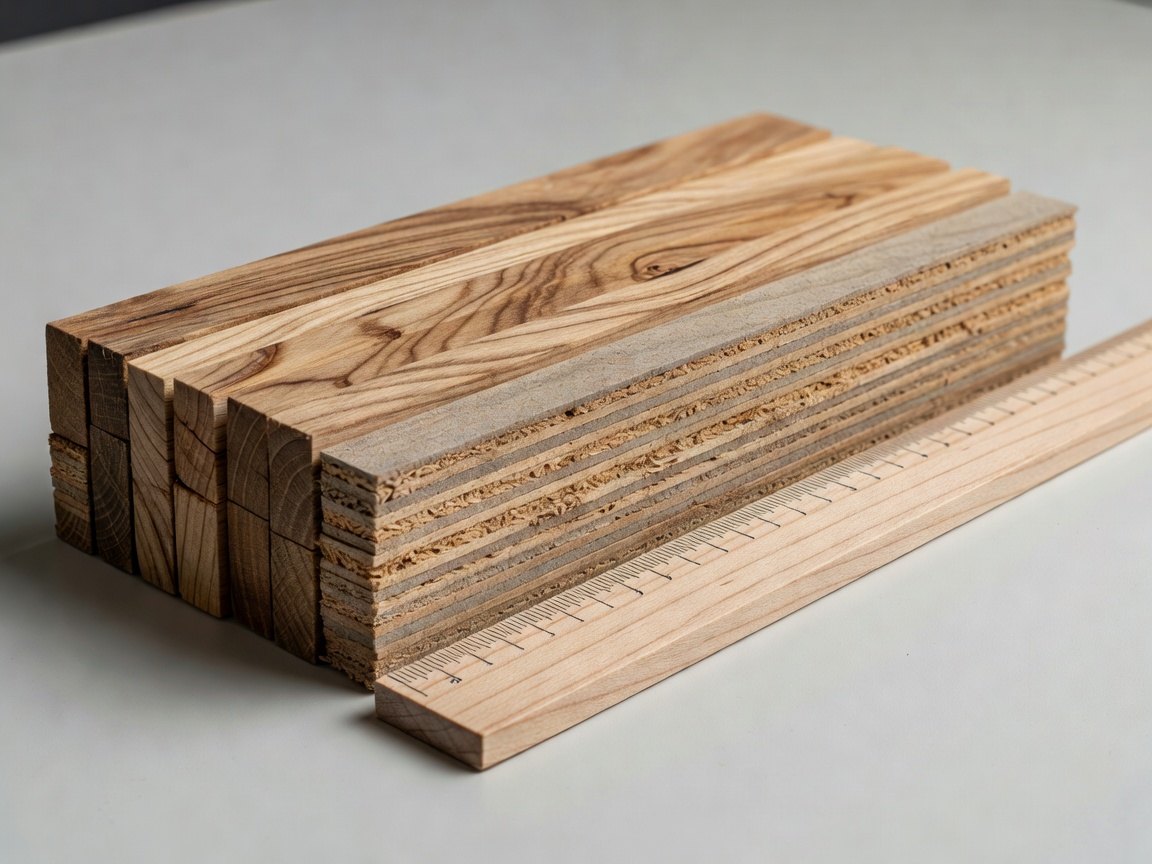
Chipboard, often called greyboard, can make tokens easier to lift and boards less floppy. Its thickness also changes storage capacity, stacking height, and the feel of a crowded play area. Mount one test sheet before committing to a large batch. Adhesive moisture can curl paper or board, and a finish that looks dry on the surface may still need curing time.
Use a stable cutting surface, a suitable ruler, and controlled passes with an appropriate blade. Keep hands away from the cutting path and follow tool instructions. Rounded corners can reduce snagging, but repeated hand cutting can introduce marked differences. For hidden-information pieces, irregular edges may become an identification problem rather than a cosmetic one.
Wood and acrylic solve different problems
Wooden discs and cubes offer a tactile, easily grasped shape. Natural grain and color can vary, and small pieces may roll or stack differently depending on their finish. Test whether the piece remains visible against your board and whether a printed symbol survives normal handling.
Acrylic can provide a crisp silhouette and a smooth surface, but glare, fingerprints, sliding, and sharp corners deserve attention. Transparent pieces may allow players to read a value underneath, yet reflections can make an engraved mark harder to see. A clear material is not automatically a clearer interface.
If you commission laser-cut parts, use a competent service and confirm that the material is approved for its equipment. Do not laser-cut unknown plastics or PVC. For painted or sealed components, follow the product’s ventilation, handling, and curing guidance. “Dry to the touch” does not establish that a finish is appropriate for repeated skin contact.
Make differences readable in more than one way
Pair color with shape, symbols, words, or texture. A resource should not become unidentifiable when viewed in grayscale or under dim lighting. Check the smallest icon from a seated position and ask another person to distinguish it without naming the intended meaning first.
The W3C’s WCAG 2.2 contrast guidance is written for digital content, not a certification system for physical game pieces. Its emphasis on readable contrast and redundant cues is still a useful prompt. Matte paper, local lighting, print quality, and viewing distance need their own physical checks.
Keep safety and permissions in the design
Small components can present choking hazards and should be kept away from young children and pets. Household craft materials are not automatically suitable for toys. ASTM F963 and EN 71 are examples of toy-safety standards; applicable obligations depend on the product and market. Seek qualified advice before supplying or selling items intended for children.
Use your own artwork or assets with a license that permits your intended use. A Creative Commons license may include attribution, noncommercial, or share-alike conditions; read the specific license. Owning a published game does not grant permission to reproduce its artwork for distribution. Start with a private, functional mock-up and verify rights before sharing files.
Test note: when is a thicker token actually better?
Place both versions on the busiest part of the board. Ask players to lift, move, stack, and read around them. Keep the thicker version only if its handling benefit outweighs the extra obstruction and storage space.